Kitchen and Bath Remodeling: An Important Consideration
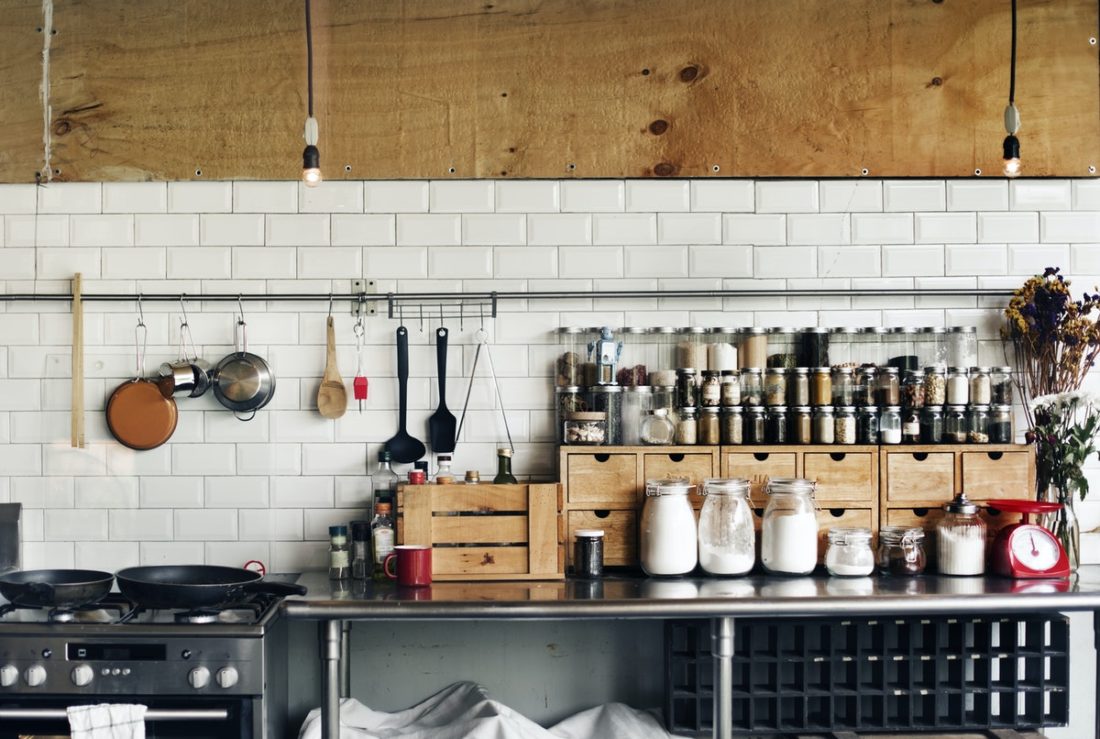
The two most important rooms in any home are the kitchen and the bathroom. Whether we fancy ourselves gourmet chefs or just like to whip up quick and easy meals for the hungry family, we spend more than our fair share in the kitchen. And of course, everyone spends quite a bit of time in the bathroom as well. We have to make sure the bathroom stays comfortable by solving any water damage issue as quickly as it happens by contacting Interior decorator in kansas city. There are also some important things that you have to consider before you start a remodeling project in either of these rooms.
Kitchen Ideas

Freshen up your walls, cabinets and ceiling with paint that will last a lifetime. Most paints are user-friendly and quick to apply. When selecting your countertop stone go for a smooth-textured one which will give out a stylish look and won’t hurt you pocket-wise. Additionally, you should update your kitchen appliances; install energy saving and efficient appliances and this will save you from high utility bills.
Bathroom Remodeling
A well-renovated bathroom will provide you with the much-needed comfort and pleasure which will last for a long period. However, you should not do a shady job having in mind your bath area has limited space and possible water leaks.
Even a tiny bathroom can be costly when you want to renovate it. When you set out to remodel your bath area, it shouldn’t be a cumbersome and pocket-straining task. Once you have outlined what you will be required to either replace or furnish, consider the below tips so as to achieve an ideal bathroom.
You might want a more stylish and discreet bathroom. Well, that’s easy to have; you will be required to hide your toilet. You can use a wall; a piece of furniture or certain enclose which will look like a room inside another room.
Then, your surfaces will say a lot about your personality. Most designers recommend porcelain for walls and floors because it’s easy to maintain and clean. Additionally, select stainless steel sinks because they are durable and will allow you to integrate it with other kinds of materials available.
What You Should Keep In Mind About Home Remodeling projects

First off, consider the time and the expense of the project you have in mind. Do you really need to gut the entire kitchen when you can accomplish all that you need with a few upgrades here and there? For instance, do you have to replace the entire cabinet if the bases are in good shape? Do you have to install solar screens by stellarsunscreens.com for windows? For a fraction of the cost and the time, you could add new fronts that will change the appearance of the kitchen without the upheaval of removing entire sections at a time.
Second, you have to consider the realities of a huge project. The larger the project the more it will cost and the longer it will take. You should also know that even with the best professional that these projects can often run into problems and issues. Parts and materials may be delayed or may arrive damaged. There might be hidden issues that are not going to be found until the wall is busted out and there is no turning back. It is always best to estimate the budget higher and the time frame longer than you will really need just in case of the unforeseen.
And finally, you have to consider another part of reality with a project in either of these two, very busy rooms. Where will people go to when they have a need that is usually met in a room that is now in pieces? Where will you store your food, for example especially if the appliances are being replaced? Where will people go to the bathroom if the only one is being remodeled? You have to consider these things before you get started on your project or it will become a problem for you, for the family and for anyone who is working there. Always have a plan in place for every aspect of your remodel and it will go much smoother for you.